The hidden cost of building a community: What generosity, ADHD and entrepreneurship taught me about sustainability
Reflections from building Talent Crunch on overgiving, emotional labour, founder wellbeing, community participation and learning to grow something without making yourself its only source of energy.
I've been thinking a lot lately about the relationship between the qualities which help us succeed and the very same qualities which, left unchecked, might eventually work against us.
Persistence, independence, generosity, attention to detail and an almost compulsive desire to solve problems have served me well throughout my career. They've helped me navigate unfamiliar environments, build professional relationships, deliver complex projects and create opportunities where none previously existed.
But I've started questioning something: when you've spent most of your life relying on these qualities, how do you recognise when they're no longer serving you as well as they once did? 🤔
And how do you distinguish between the personal dedication required to build something from scratch and the leadership required to help it grow sustainably?
I've been building Talent Crunch, a professional community for people working in talent acquisition and related disciplines, for several years now. I started while I was still employed, and when I left my corporate career in 2024, I suddenly had more time to dedicate to it.
So I did.
In fact, I dedicated far more time to building the community than I did to developing my own consulting business, even though the latter was supposed to provide my income.
At the time, I didn't question this enough. I was doing something I believed in, creating opportunities for people and bringing together professionals who might otherwise never meet.
Looking back, I recognise a pattern which started long before Talent Crunch existed. And I think it's worth discussing, particularly for independent founders and anyone whose work involves creating opportunities for others.
🌱 Why overgiving and independence are difficult habits to recognise
Growing up in Romania, I learnt early that you had to "toughen up, make do with what you had and figure things out yourself." Help wasn't necessarily an option you considered. You took what you were given, worked with whatever resources were available and found a way forward.
Of course, I don't believe this describes everyone's experience of growing up in Romania. It's the environment and set of expectations I experienced, and they shaped how I approached the world.
On the positive side, I developed an extraordinary capacity to persevere. I learnt to solve problems independently, adapt quickly and work hard for what I wanted. I became someone who rarely waits for ideal circumstances before taking action.
But alongside those strengths came certain beliefs which I've only recently begun examining more seriously.
I learnt to expect relatively little for myself, to demonstrate my value through what I contributed and to see asking for help as something which came after exhausting every other possibility.
Somewhere along the way, giving became easier than receiving, and solving a problem myself became more instinctive than sharing responsibility for it.
These behaviours aren't inherently bad. Independence is valuable, generosity creates opportunities and persistence helps us achieve difficult things. But when they're deeply ingrained, we don't always stop to consider whether they're appropriate for every situation.
And this is where community building has become an interesting mirror for me. 🪞
🧠 How ADHD, hyperfocus and high standards influence my approach to community building
I have ADHD, and understanding it has helped me make sense of some of the patterns in how I work.
When something genuinely interests me, I become intensely absorbed in it. I connect ideas, spot patterns, explore possibilities and focus on solving problems with an energy which sometimes surprises even me.
Community building gives me plenty of opportunities to work this way. It combines strategy, creativity, human behaviour, problem-solving, communication and the constant challenge of turning an idea into something people find valuable.
I enjoy the complexity of it.
When organising an event, for example, I think about the entire participant experience: why someone would attend, what they hope to learn, how they might connect with others, what might make them uncomfortable and which details would make the experience more useful.
I also think about the people contributing to the programme, our partners and the expectations we've created through our communication. My professional experience in talent acquisition has taught me to consider different stakeholders, while my personal history has made me particularly attentive to potential problems.
The result is an approach where I tend to anticipate issues early and hold myself to high standards.
I value this about myself, and I have no intention of abandoning it.
But I've learnt that being capable of managing a great many details doesn't automatically mean I should personally manage all of them.
When hyperfocus and personal responsibility become difficult to manage
One of my challenges is recognising when my investment of time and energy stops being proportionate to the value it creates.
I might spend considerable time improving something which was already good, exploring another possibility or solving a problem which didn't necessarily require my personal involvement.
When I'm deeply engaged, it isn't always easy to recognise the point at which additional effort produces diminishing returns.
I've also experienced periods of significant exhaustion after intense stretches of work. In 2026, there were times when I needed days to recover my energy and found it difficult to switch my attention away from everything I was responsible for.
I don't want to label every experience of exhaustion as burnout, nor do I think ADHD explains every aspect of my behaviour. But understanding the interaction between my enthusiasm, high standards and working habits has made me more aware of how important it is to manage my energy deliberately.
The lesson isn't that I should care less or lower my standards. It's that my ability to deliver consistently matters more than how much effort I manage to invest in any individual task. 🔋
💛 The emotional labour of building and leading a professional community
One of the most interesting things I've learnt through Talent Crunch is how much community building depends on understanding people.
The operational side of organising a professional community is substantial. There are programmes to develop, speakers to coordinate, partnerships to manage, events to organise and countless decisions about priorities, communication and delivery.
But there's also the human side, which is the part I find particularly meaningful.
I care about whether someone attending an event for the first time feels welcome, whether a discussion gives participants something useful to take back to work and whether the people contributing their expertise feel their time has been well spent.
I enjoy creating the conditions for meaningful professional relationships to develop, especially when people who might never otherwise have met begin exchanging ideas or working together.
This attention to the experience is one of the things I believe has helped Talent Crunch grow.
At the same time, working closely with people involves uncertainty. Plans change, priorities shift, messages go unanswered and expectations aren't always aligned. These are normal realities of working with human beings, whether you're organising a community, leading a team or running a business.
My personal challenge has been learning how much emotional attention to give these situations.
I have a strong reaction to what I perceive as unfairness, dishonesty or broken commitments. Sometimes I find myself replaying a conversation long after it has ended, trying to understand someone's behaviour or work out whether I should have approached something differently.
The difficulty is that understanding a situation doesn't always require resolving every unanswered question about it.
I'm learning to separate the responsibility I have for my own actions and commitments from the responsibility other people have for theirs. This helps me approach difficult situations with greater perspective and make better decisions about where my attention belongs.
🤝 What community reciprocity means when you're building something independently
I've always believed that the value of a professional community comes from what people make possible for one another.
A useful introduction, a shared experience, an honest conversation about a difficult professional challenge or an opportunity to learn from someone else's work might have an impact long after an event ends.
I've seen this happen through Talent Crunch, and it's one of the most rewarding aspects of building it.
As the community has developed, I've also started thinking more seriously about the relationship between the experiences we organise and the opportunities members have to participate beyond them.
For a long time, my natural instinct was to take responsibility for making things happen. If I saw an opportunity for an interesting discussion, I would find the speakers. If I identified a professional problem worth exploring, I would develop an event around it. If I thought two people should meet, I would introduce them.
This approach helped establish the community and create experiences people valued. It was appropriate for many of the challenges involved in getting something off the ground.
But as a community develops, the founder's role needs to develop alongside it.
I've realised that if I want more people to shape the community, I need to create clearer opportunities for them to do so. I shouldn't assume members know what involvement is possible, what contributions would be useful or where their expertise might make a difference.
And I certainly don't think attending an event creates an "obligation to give something back".
People participate in professional communities for different reasons and at different stages of their careers. Some want to learn, some want to connect, some want to share their expertise and others simply appreciate having access to a trusted professional network.
All of those forms of participation are legitimate.
For me, reciprocity is about creating an environment where people who want to contribute have meaningful opportunities to do so, and where value increasingly develops through relationships between members rather than depending exclusively on activities initiated by the founder.
That's an important distinction because a community becomes more valuable when its members have more ways to shape it.
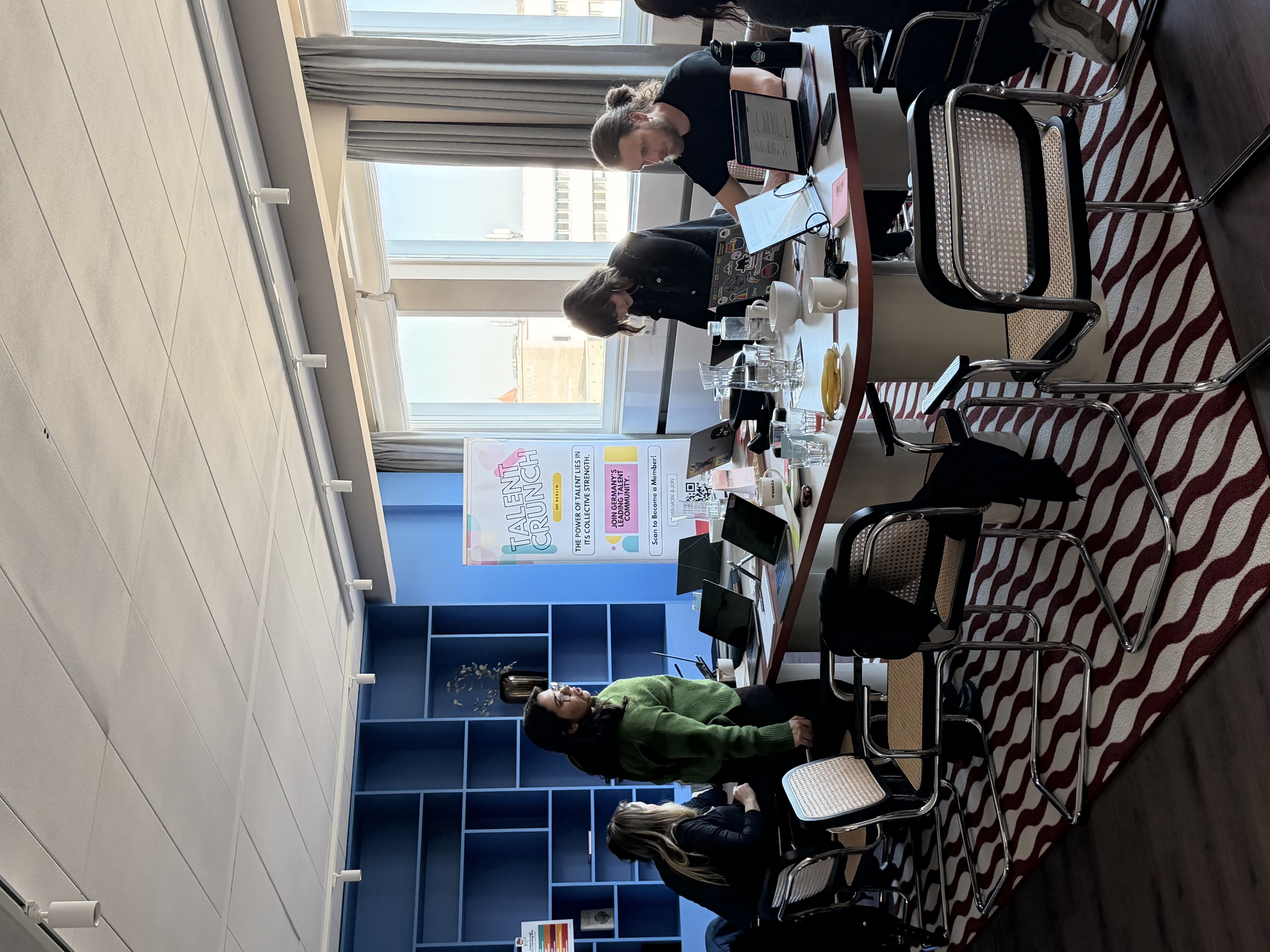
🎟️ The difference between running successful community events and building a sustainable community
Organising successful professional events and developing a sustainable community require overlapping, but different, capabilities.
Events provide a valuable reason for people to come together. They create opportunities for learning, discussion and relationships, and they're an important part of what Talent Crunch offers.
But the longer-term value of a community also depends on what happens between those experiences.
Do people continue conversations after an event? Do they introduce one another to relevant opportunities? Do they share knowledge, seek advice or develop relationships which extend beyond the original occasion?
These questions interest me because they move the conversation beyond how many people attend an event towards what the community makes possible over time.
They also influence how I think about my own role.
In the early stages of building something independently, founder involvement is often essential. You're establishing its identity, earning trust, developing relationships and demonstrating why people should participate.
As the initiative develops, relying exclusively on personal effort becomes less effective than building repeatable processes, stronger partnerships and opportunities for others to take initiative.
This doesn't mean the founder becomes less involved or less committed. It means their contribution increasingly includes creating the conditions for other people to contribute successfully.
That's the transition I'm interested in making with Talent Crunch: retaining the quality and personal attention which helped establish it, while developing a stronger foundation for its continued growth.
✅ 5 lessons I'm applying to build a more sustainable professional community
The biggest change in my thinking is that I'm becoming more deliberate about the difference between "effort" and "impact".
I've spent much of my career being proud of how much I manage to accomplish through persistence and hard work. I still value those qualities, but I'm increasingly interested in how to achieve meaningful results through better decisions, clearer priorities and stronger ways of working.
Here are 5 areas I am trying to focus on:
1. Setting boundaries and prioritising work according to impact
I'm learning to evaluate activities according to the value they create rather than how much personal effort I'm willing to invest in them.
This involves being more deliberate about where my attention is needed, which decisions deserve additional time and which tasks are already at a standard where further improvement won't meaningfully change the outcome.
I want to preserve the care and attention people associate with Talent Crunch while becoming more selective about the work required to deliver it.
2. Creating clearer opportunities for community member participation
I want to expand the ways members participate in shaping the community, including opportunities to lead discussions, share expertise, propose topics, support peers and contribute ideas for future activities.
The aim isn't to transfer operational responsibilities to members or expect unpaid labour. It's to make participation more accessible for people who are interested in contributing and to create space for perspectives beyond my own.
An independent professional community should benefit from the collective expertise of the people who participate in it.
3. Measuring community impact beyond registrations and attendance
Event registrations, attendance and feedback remain important because they help us understand whether we're reaching people and delivering useful experiences.
But I also want to pay greater attention to the outcomes which develop over time: professional relationships, knowledge exchange, collaborations and opportunities which originate through the community.
These outcomes are more difficult to measure consistently, but they're closely connected to why I started Talent Crunch in the first place.
4. Asking for support and developing stronger ways of working
One of the most useful lessons for me personally is recognising that asking for support isn't evidence that I'm unable to do something myself.
I've spent years approaching challenges through individual effort, and that instinct has often helped me succeed. But as a founder, I need to think about where collaboration, clearer responsibilities and repeatable processes would produce better results.
This applies to how I work with partners, how I organise community activities and how I make decisions about what deserves my direct involvement.
I also need to become more comfortable communicating expectations explicitly instead of assuming other people will recognise what would be helpful.
5. Building financial sustainability into the community's long-term strategy
This is an area where I've had to challenge some of my own assumptions.
Because Talent Crunch began as something I cared deeply about, I often treated the time I invested in it differently from the time I invested in paid professional work.
But passion doesn't remove the need for a sound business model, particularly when you're building independently.
I've become more intentional about how community activities, partnerships, financial commitments and my consulting work fit together. A sustainable operating model allows me to plan further ahead, invest in better experiences and make decisions based on long-term value rather than immediate demands.
Financial sustainability isn't in conflict with the community's purpose. It helps protect the ability to deliver on it.
🚀 Why independent community founders need to think beyond personal dedication
I have tremendous respect for independent community founders, especially those who create and sustain professional communities without an established organisation providing their funding, infrastructure and operational support.
I also think we should be more precise about what we mean when we describe someone as a community founder.
There's a meaningful difference between founding and independently operating a community, and managing a community as part of a role within an established company. Both involve valuable expertise, and both deserve recognition, but the resources, responsibilities and financial exposure aren't the same.
When you build independently, you're often responsible for the strategy, positioning, finances, partnerships, programming, operations and long-term direction. You also have to make decisions about how the community fits into your wider professional and personal life.
That requires a combination of skills which goes well beyond organising events or facilitating conversations.
It also requires recognising when the approaches which helped establish something need to evolve.
For me, that's one of the most important lessons from building Talent Crunch.
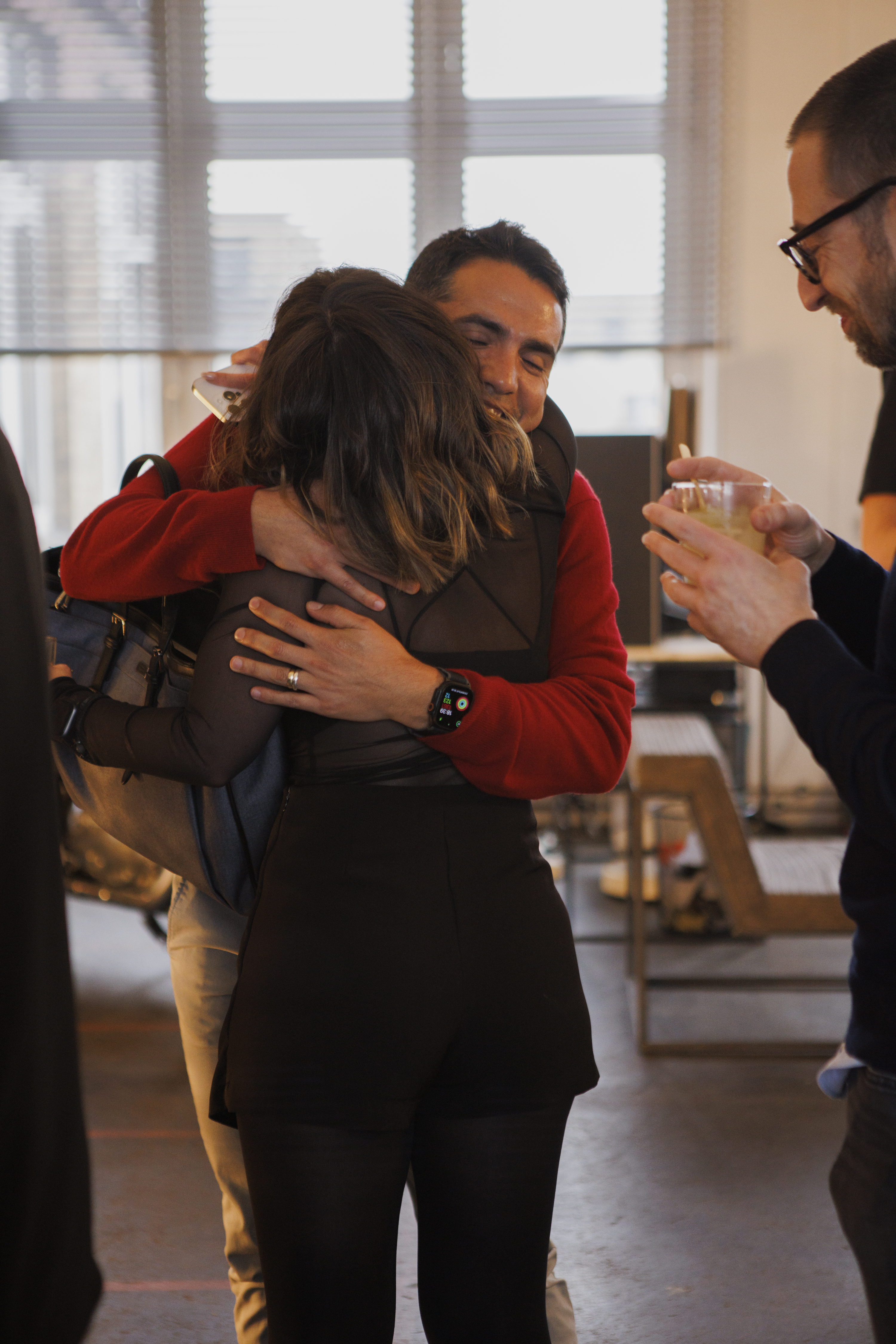
I'm proud of what we've achieved, the professional relationships which have developed and the opportunities we've created for people working in talent acquisition and related disciplines. I'm equally proud of the partnerships we've developed with organisations which recognise the value of investing in professional learning and connection.
I want to continue developing those experiences, raising the quality of what we offer and expanding the opportunities available to our members and partners.
But I've also come to appreciate that the next stage of growth requires a different kind of discipline from the one which helped me get started.
It's less about proving how much I'm willing to do personally and more about making thoughtful decisions which strengthen the community over time.
That includes developing stronger processes, communicating expectations more clearly, inviting broader participation, investing in relationships and protecting the time needed to think strategically.
Perhaps the most personal part of this lesson is accepting that I don't have to demonstrate my commitment through the amount of effort I expend.
I want my work to be judged by the value it creates, the relationships it helps develop and the consistency with which I deliver on my commitments.
Building Talent Crunch has taught me a great deal about other people, but it's also forced me to examine some long-standing assumptions about my own worth, responsibility and relationship with work.
I'm still learning how to change those patterns, and I expect that process to take time.
What I know is that I want to keep building Talent Crunch with the same ambition, curiosity and care which brought it this far, while becoming a more deliberate founder in how I invest my energy, make decisions and create opportunities for others to contribute.
Because the goal isn't to give less to the community. It's to build a stronger community through the way I lead it.

Founder of The Principal Recruiter. 16+ years in talent acquisition. Building stronger hiring systems worldwide.