Building a Professional Community in Germany as an Immigrant: Challenges, Cultural Barriers and Lessons Learnt
What building Talent Crunch in Berlin has taught me about professional networking, language barriers, cultural differences, credibility and creating an international community.
What building Talent Crunch in Berlin has taught me about professional networking, language barriers, cultural differences, credibility and creating an international community.
I moved to Berlin in October 2015, although my journey towards building a professional life abroad started much earlier. ✈️
I studied for my master's degree in the UK, where I also began my career in talent acquisition, working with companies including Aston Martin, Boeing, AstraZeneca, JCB, Terex, Magna Automotive, Dyson and so on. By the time I moved to Germany to join Zalando, I already had years of international professional experience behind me.
I had also invested in learning German long before arriving. I studied with a private tutor while living in England, attended a Goethe-Institut intensive course in Romania and completed three more in Germany, eventually reaching B1.2.
Then I spent years working at Zalando and Wayfair, two highly international companies where English was the everyday working language. I continued learning German, but without regular opportunities to practise, my fluency never developed as far as I wanted.
For years, this wasn't much of an obstacle professionally.
Then I started building Talent Crunch, a community for people working in talent acquisition, talent development, employer branding and related disciplines.
And I began experiencing Germany from a completely different perspective.
🇩🇪 The challenges of building a professional network in Germany without speaking fluent German
There is something I want to establish from the beginning: I understand perfectly well that I live in Germany and German is the country's principal language. I don't expect everyone to accommodate me, nor do I believe speaking English should automatically entitle me to access every professional circle.
But Berlin is also an international city, and the professions Talent Crunch serves operate across borders, exchange knowledge globally and increasingly work in international organisations.
I assumed this would make professional networking relatively straightforward. It hasn't.
Over the past few years, I've contacted senior professionals, conference organisers and potential collaborators who never responded, even after several attempts. I've also observed German-speaking professionals receiving responses from people I had previously struggled to reach.
I've attended various (and multiple) gatherings where conversations shifted into German and international participants were left on the sidelines, sometimes without anyone noticing.
These experiences are frustrating, particularly when you're trying to create opportunities for people to connect across organisations and backgrounds.
But I've also had to challenge my interpretation of them. 🤔
Is the barrier language, nationality, familiarity, established relationships or professional reputation? How much of it is cultural, and how much is simply the difficulty of approaching people who don't know you?
I don't have enough evidence to answer those questions confidently.
What I do know is that building relationships outside your established professional circles requires a different approach from networking within them.
And being an immigrant adds another dimension to the challenge.
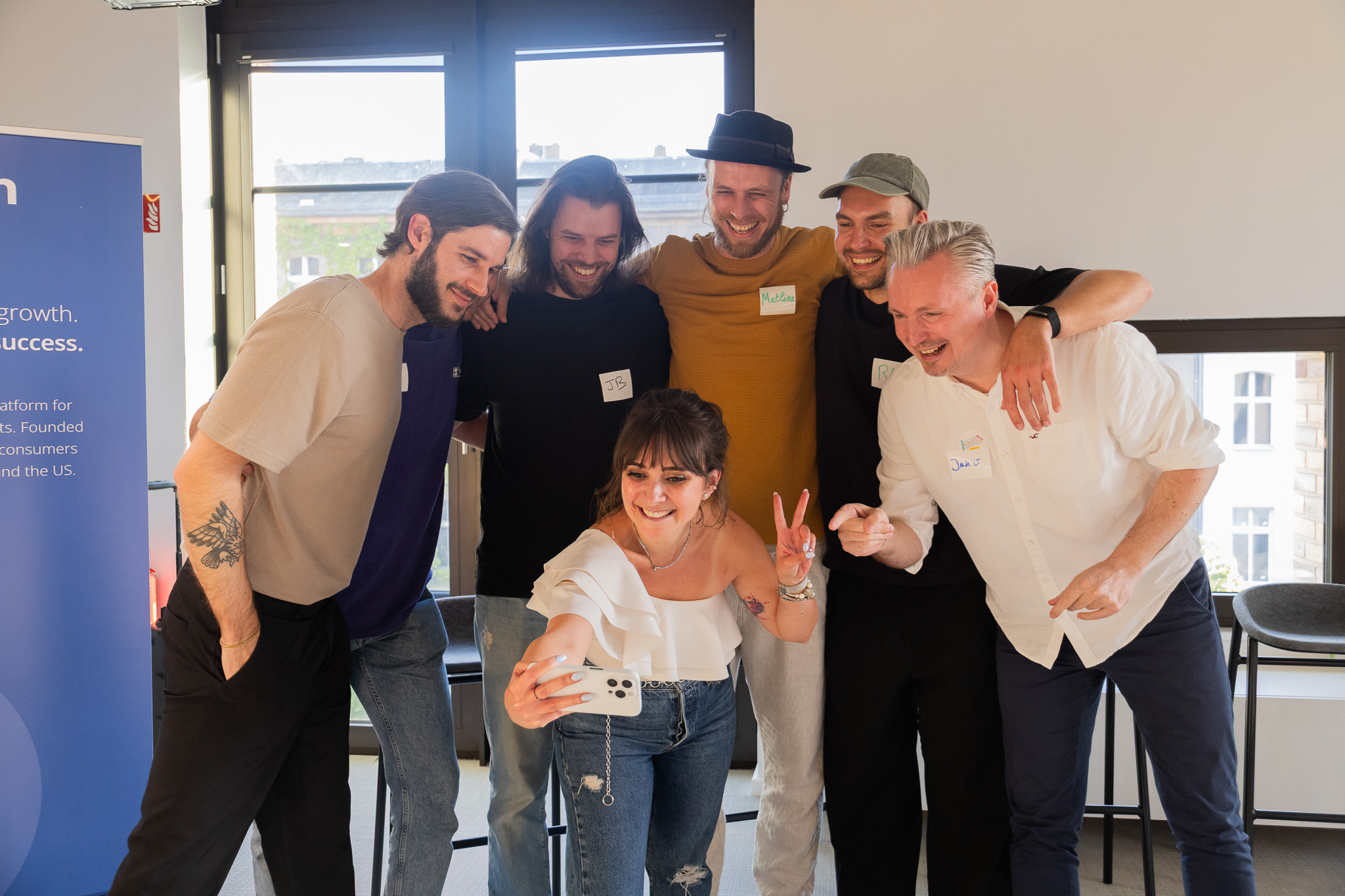
🌍 How cultural differences influence professional networking and community engagement
What organising a community event in Barcelona taught me about networking cultures
When we organised a Talent Crunch event in Barcelona, I personally approached around 250 professionals on LinkedIn.
I sent connection requests, introduced myself and followed up with invitations. Many accepted and responded warmly, sometimes before I had even explained what I was organising.
My experiences with comparable outreach in Germany have often been different, particularly when approaching senior professionals.
I've noticed similar contrasts through my interactions with professional communities in the US and Latin America, where initiating conversations with strangers often feels easier.
Of course, responsiveness isn't the same as commitment. Someone who enthusiastically accepts an invitation might never attend an event, while a more reserved professional might become a valuable long-term collaborator.
And these observations aren't evidence of how entire nationalities behave.
Still, they raise an interesting question for anyone building an international professional community.
How much should we adapt our networking approach to local expectations rather than assuming people everywhere will respond similarly?
I've spent years focusing on what I want to communicate. I'm increasingly interested in understanding how different audiences prefer to be approached.
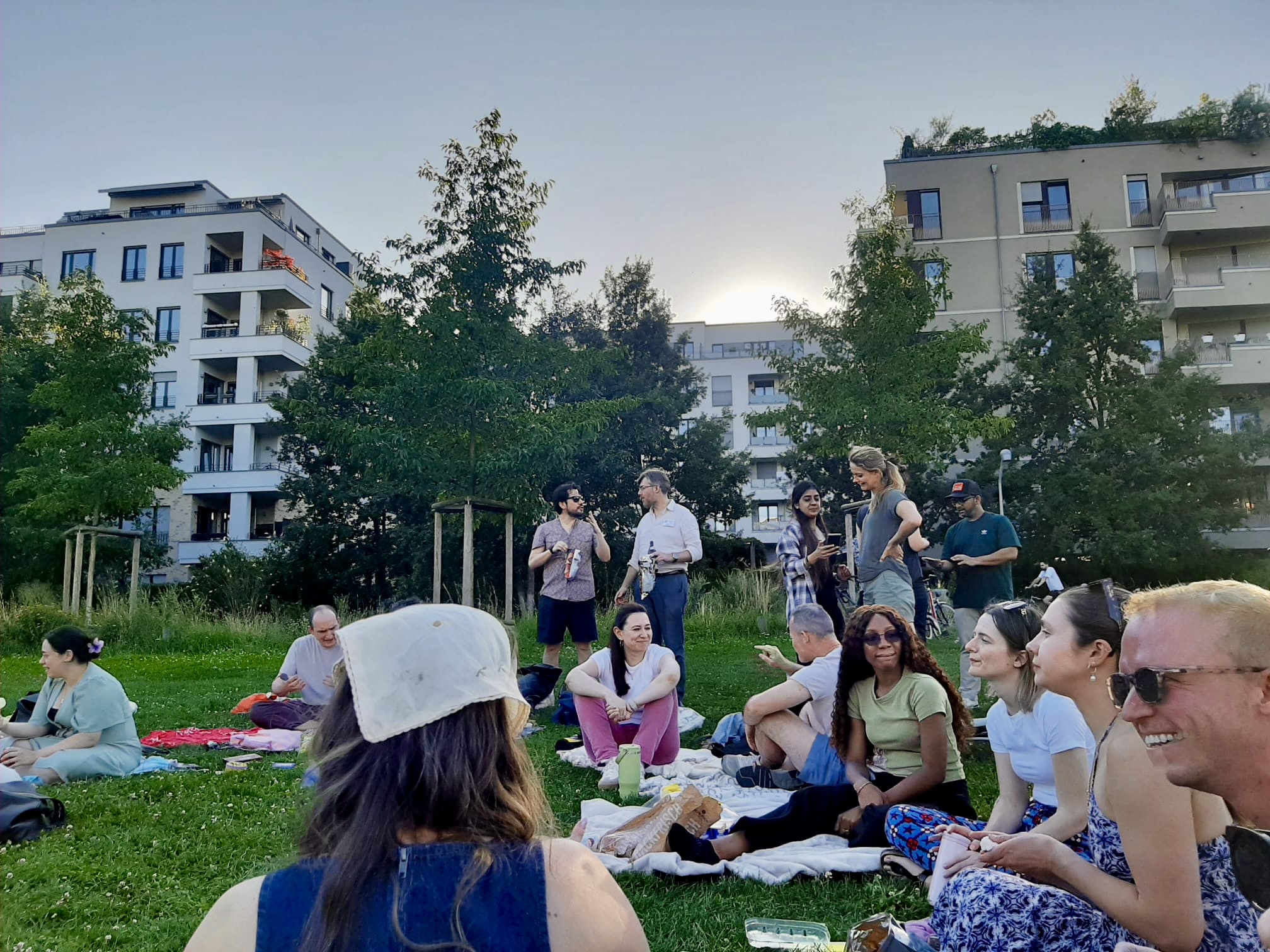
Does communicating in German or English affect professional community engagement?
One experiment I'm considering is testing German-language outreach alongside English-language outreach, using comparable audiences and messages, to understand whether language significantly influences engagement. 🧪
I'd rather learn from the results than continue making assumptions.
For community builders operating across cultures, language is worth treating as a factor to investigate rather than an obstacle to accept or dismiss without evidence.
💼 Building credibility as an independent community founder after leaving corporate employment
There's another dimension to this experience which has little to do with nationality.
For years, I worked for recognised international companies. My expertise, experience and professional relationships were mine, but the organisations I represented also gave me immediate credibility.
When I approached someone as an employee of Zalando or Wayfair, the company name provided context before the conversation even started.
As an independent professional and community founder, I no longer have that advantage (bummer 🫣)
I've found this transition really quite difficult, not gonna lie. Welcome "halo effect"!
I still have the same professional experience. I've continued developing my expertise, building relationships and creating opportunities for others. Yet establishing credibility as an independent founder requires a different kind of effort.
I've also watched professionals with recognisable corporate titles receive considerable attention for ideas similar to those independent practitioners have shared for years.
It's tempting to interpret this as "unfairness", particularly when you've invested substantial effort into producing something valuable.
But professional visibility depends on much more than the quality of an idea. Existing relationships, reputation, audience size and institutional credibility all influence whose work gets noticed.
One of my biggest lessons has been recognising that being good at something and building a reputation for it independently are two different challenges.
📚 Lessons learnt from building an international professional community in Germany
I started Talent Crunch because I care deeply about my profession and wanted to create opportunities for people to learn from each other, exchange ideas and build meaningful professional relationships.
That ambition hasn't changed.
What is changing is how I approach the work.
1. Building trust and professional relationships before asking people to participate 🤝
I'm learning to invest more deliberately in relationships before expecting people to participate, particularly when approaching established professional circles where trust develops over time.
For me, this means focusing on genuine connections and opportunities to collaborate, rather than measuring every interaction by whether someone responds to an invitation.
2. Adapting language and communication strategies for international communities
I'm becoming more curious about language preferences and cultural expectations, and more willing to test different approaches instead of relying exclusively on my personal experience.
I want to understand whether communicating in German changes how people respond, while continuing to make Talent Crunch accessible to international professionals who don't speak the language fluently.
3. Communicating the value of professional community membership and events
I'm also learning to communicate the value of participation more clearly. I might understand immediately why a particular discussion, speaker or professional connection is worthwhile, but someone unfamiliar with Talent Crunch needs a reason to invest their time.
This means being more explicit about the professional problems an event addresses, what participants will learn and which relationships or opportunities it might help them develop.
4. Managing unanswered outreach and rejection when building a community
And perhaps most importantly, I'm learning to distinguish between a lack of response and a lack of respect. Sometimes the two overlap, but often they don't. Not every unanswered invitation deserves another follow-up, and not every professional relationship is worth pursuing.
I'm learning to spend more time developing relationships with people who demonstrate genuine interest and less time trying to convince those who don't respond.
These aren't lessons I've mastered. They're things I'm actively working on. 🌱
🌈 How to build more inclusive professional communities across languages and cultures
I consider myself fortunate to have built my career in several countries and worked with people from so many different backgrounds.
Those experiences have shaped how I think about collaboration, inclusion and professional development.
They've also made me more aware of how much we take for granted when we operate in environments where we already understand the language, the social conventions and the unwritten rules.
Building Talent Crunch has shown me how different the experience becomes when you're the person trying to enter established networks rather than someone who already belongs to them.

I don't think the answer is for everyone to communicate in English, abandon local customs or adopt one universal approach to networking, not one bit.
But I do think professional communities have an opportunity (and perhaps responsibility?) to make those unwritten rules more visible and create spaces where people from different backgrounds find it easier to participate.
And I think those of us building communities have a responsibility to examine our own assumptions along the way.
After more than a decade in Germany, I'm still learning how to do this. I suspect I will be for quite some time.
But I would rather continue asking uncomfortable questions, including questions about my own approach, than accept the way things are simply because that's how they've always been done.
Frequently asked questions
Is it difficult to build a professional network in Germany as an immigrant?
Building a professional network in Germany involves understanding local communication preferences, developing trust and establishing credibility. Language differences and existing professional relationships also influence access to networks. Experiences vary by industry, location and individual circumstances.
Do you need to speak German to build a professional community in Berlin?
Fluent German isn't always essential, particularly in Berlin's international professional communities. Nevertheless, speaking German helps with accessing local networks and building relationships with professionals who prefer communicating in their native language.
How do you build trust when starting a professional community?
Building trust involves developing genuine relationships, communicating the value of participation clearly, following through on commitments and creating opportunities for meaningful professional exchange. Credibility develops through consistent interactions and demonstrated value.
How do cultural differences affect professional networking?
Cultural expectations influence how people approach unfamiliar contacts, respond to invitations and develop professional relationships. Community founders benefit from testing different communication approaches rather than assuming their personal experiences represent an entire culture.
What are the biggest challenges of building an international professional community?
Common challenges include language barriers, reaching established professional networks, communicating value to unfamiliar audiences, developing credibility and creating inclusive opportunities for participation across different cultural backgrounds.
About the author
Andreea Lungulescu is a Principal Talent Acquisition Partner, consultant and founder of Talent Crunch, a Berlin-based professional community for talent acquisition and people professionals. With 16 years of international recruitment experience, including roles at Zalando and Wayfair, she brings first-hand experience of building professional relationships across countries, industries and cultures.
Building stronger professional connections
Talent Crunch brings together talent acquisition and people professionals to exchange knowledge, challenge established practices and build meaningful professional relationships.
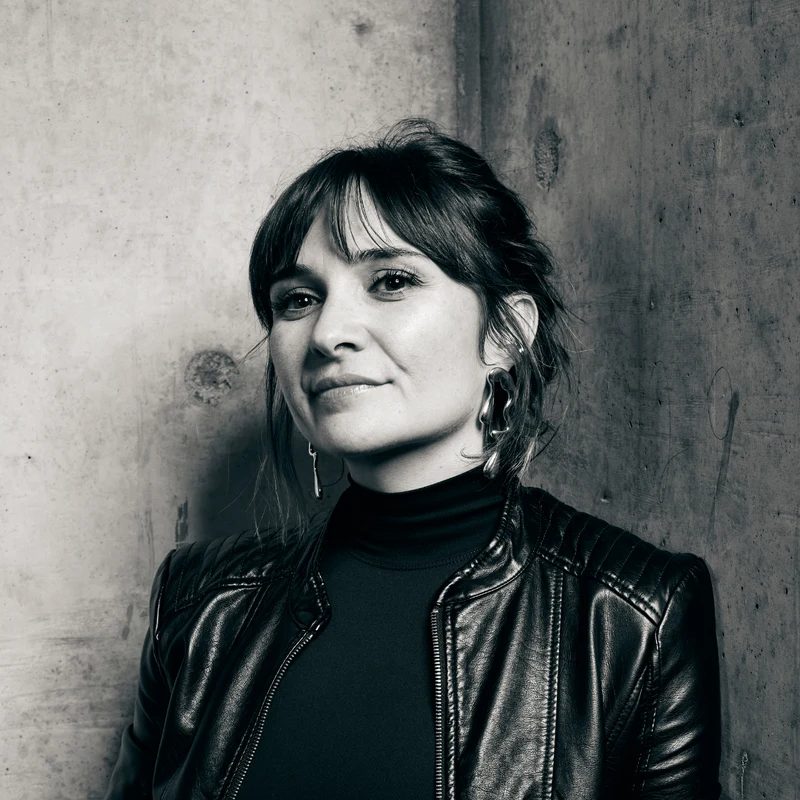
Founder of The Principal Recruiter. 16+ years in talent acquisition. Building stronger hiring systems worldwide.
Keep reading

The hidden cost of building a community: What generosity, ADHD and entrepreneurship taught me about sustainability

Why Smart Sponsors Invest in Talent Communities: The 2025 Playbook for HR Tech Community Growth